De finländska socialdemokraternas ordförande Antti Rinne: ”Hederssak för mig att främja det svenska språket”

Viktig markering av socialdemokraternas ordförande. Det här har vi inte hört från toppledningen i något av de andra stora partierna.

Arbetarbladet citerade Antti Rinne så här:

”Som ordförande för Finlands största tvåspråkiga parti är det en hederssak för mig att främja det svenska språket, precis som andra partiordförande gjort före mig. Men inget parti kan ensam värna om svenskan och de språkliga rättigheterna, utan det behövs samarbete mellan partierna. Jag anser dessutom att det hör till allmänbildningen att lära sig båda nationalspråken. Och det är inte bara min privata åsikt, utan SDP:s partikongresser har fastställt att undervisningen i de båda nationalspråken är befogad och att partiet vill stärka kunnandet i nationalspråken, påpekade Rinne.”

Bra, Antti Rinne!

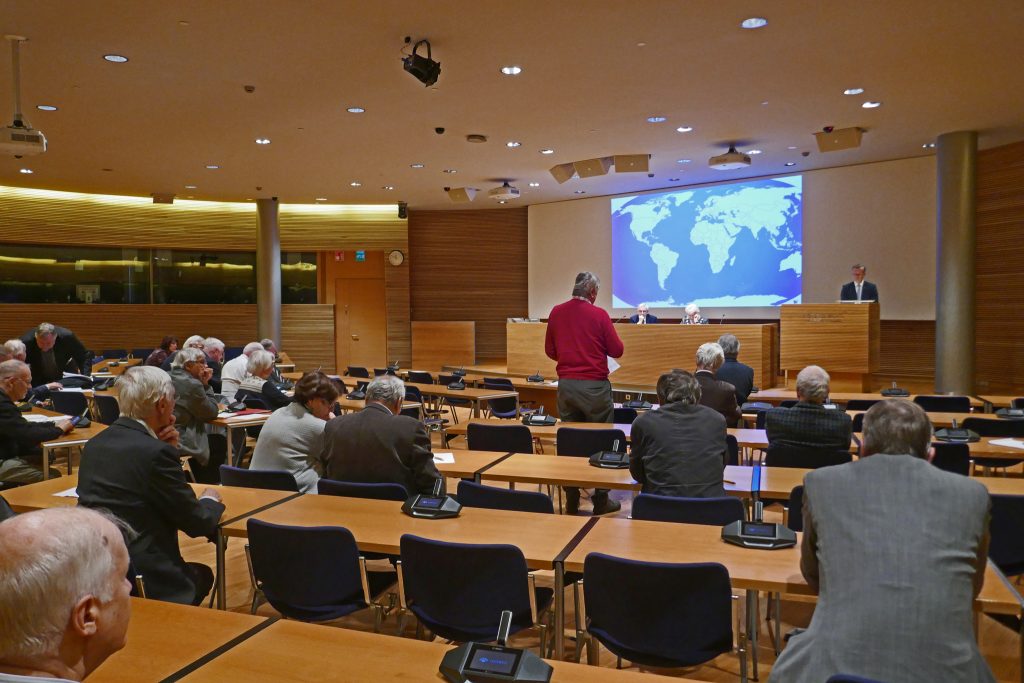
Conference at parliament house in Helsinki shows close and well established cooperation between social democrats in Finland and Sweden

Back from a seminar at the Finnish Parliament where a group of social democratic veterans from Sweden and Finland met to discuss current political issues. This was an interesting meeting but also a very pleasant one where very many of the participants – including myself – shared longstanding common experiences, so a meeting among friends in a way.

One of the main issues in discussions was of course the recent Swedish elections where the social democrats lead by Stefan Löfven fared better than expected. He is now discussing with the parties about a coalition government after the head of the conservatives failed to negotiate a majority.

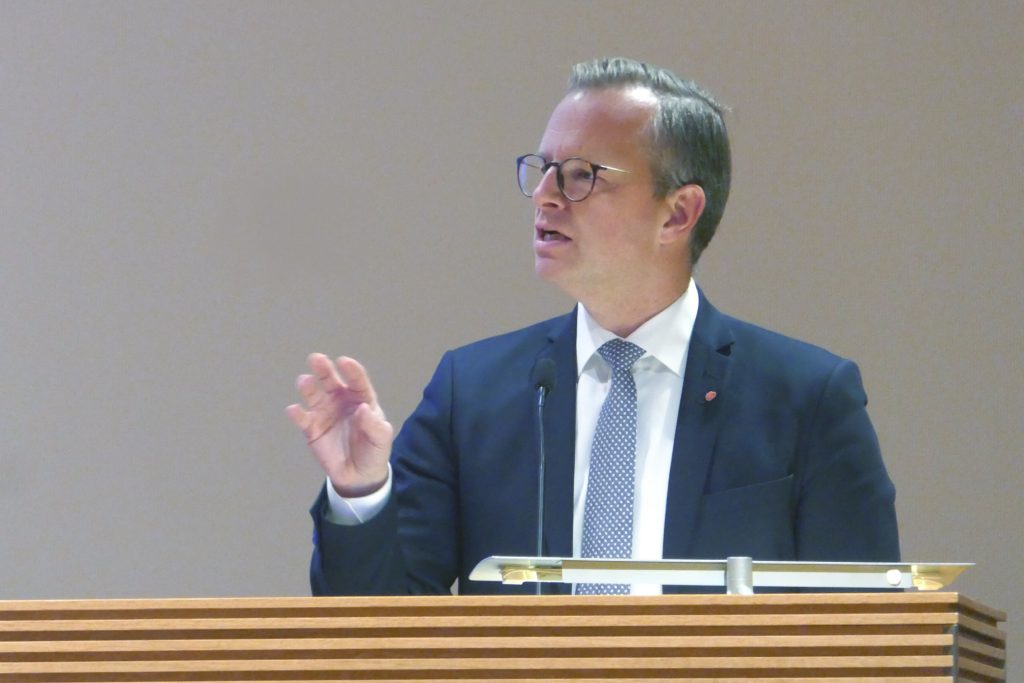
Mikael Damberg

One of the leading members of the present cabinet in Stockholm, the Minister for Enterprise and Innovation Mikael Damberg, made an in-depth analysis not only of the Swedish situation but also of the global events as he sees them. Here, the social democratic values will be an important part in combating the right-wing extremism that we have seen spreading. This was a great speech by a very talented politician who will continue to play a central role both in Sweden and Europe in the years to come.

Listening to Mikael Damberg, my thoughts went also to his late father Nils-Gösta who was a great friend of Finland and our social democracy. I still have a small pen knife somewhere which he dug out of his pocket and gave to me when he realised that it was my 30th birthday when we were having dinner in Stockholm on an August evening far back. Risto Laakkonen, former trade union official and later diplomat, good friend since my youth years, was with us that evening and also present at the seminar today.

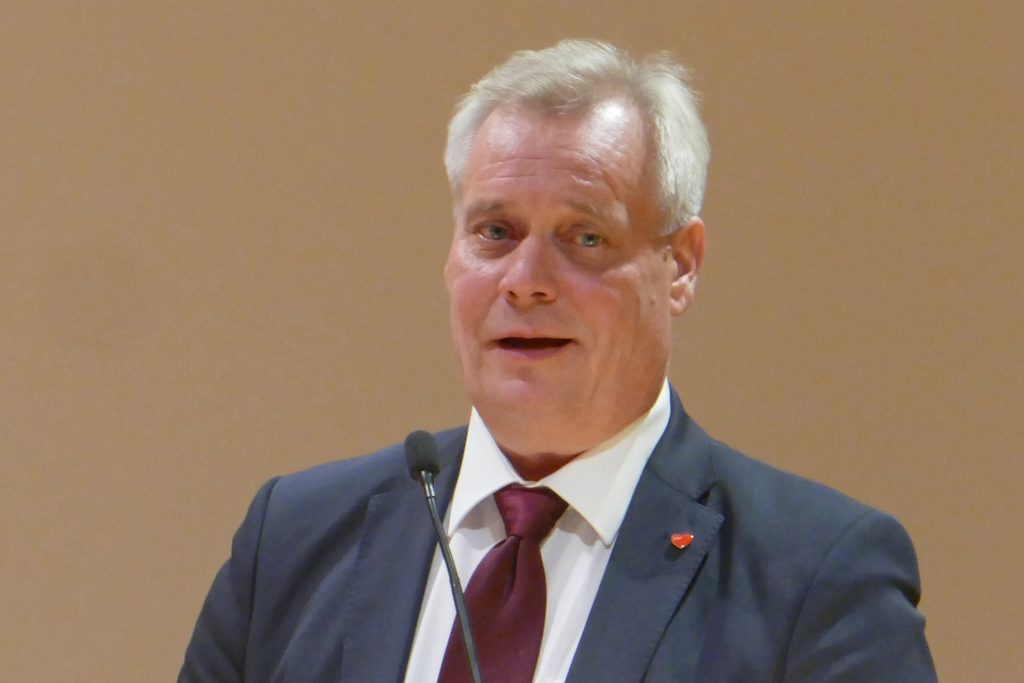
Antti Rinne

This first session of the seminar was shared by Antti Rinne who chairs the Finnish social democratic party. Also he has a trade union background and was for some years a member of the UNI Global Union world executive, the organisation where I worked for many years. He is now leading the party towards an election victory early next year where the social democrats are expected to become the largest party. A possible and even probable outcome would then be that he is Finland’s next prime minister.

Pyry Niemi

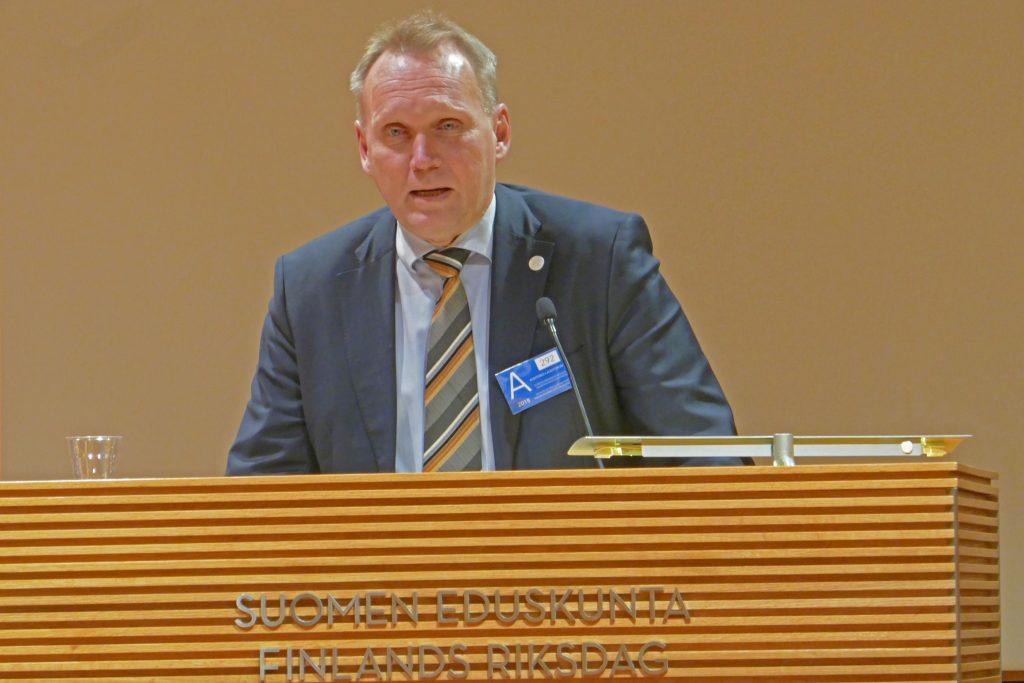
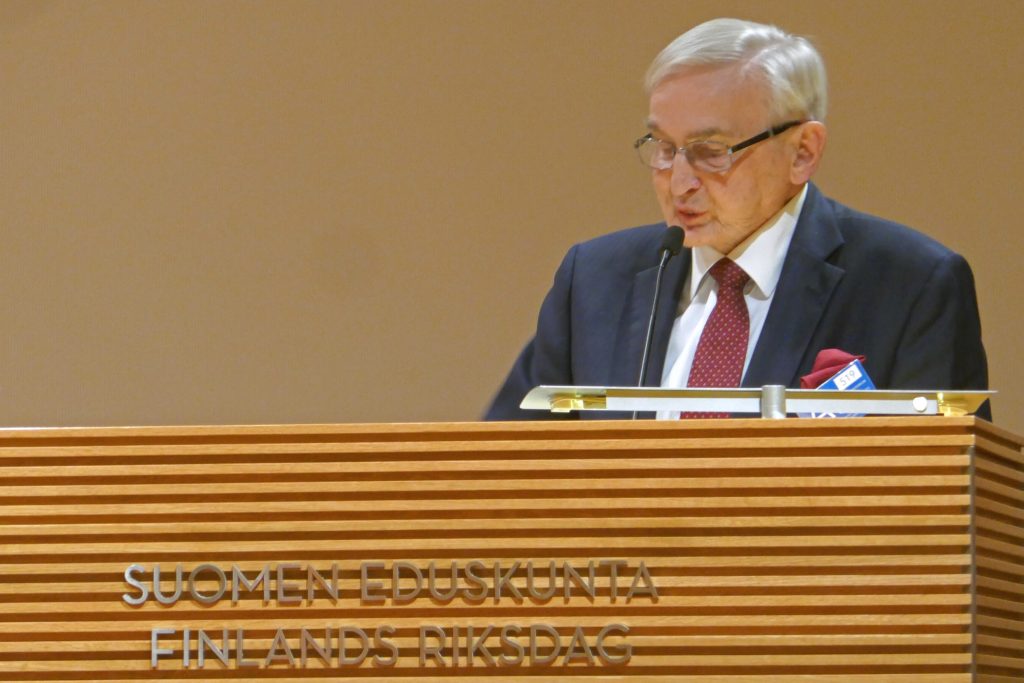
The second block of the seminar dealt with the European Union and how Sweden and Finland could cooperate to defend and promote democratic and social values in today’s troubled and unstable situation. The two main speakers were leading Swedish member of parliament Pyry Niemi and veteran Finnish social democratic politician and statesman Ulf Sundqvist. Both underlined the importance of the two countries and their social democracies to take an active and also leading role together in defending and promoting the interests of the people in Europe.

Ulf Sundqvist

In the discussion I did mention the important contribution that Swedish Prime Minister Stefan Löfven and his social democratic government made in creating a strong and progressive social pillar for the European Union. Without a clear social dimension the community risks losing its support as we have already seen alarming signs of through the rise of right-wing populism and extreme nationalism.

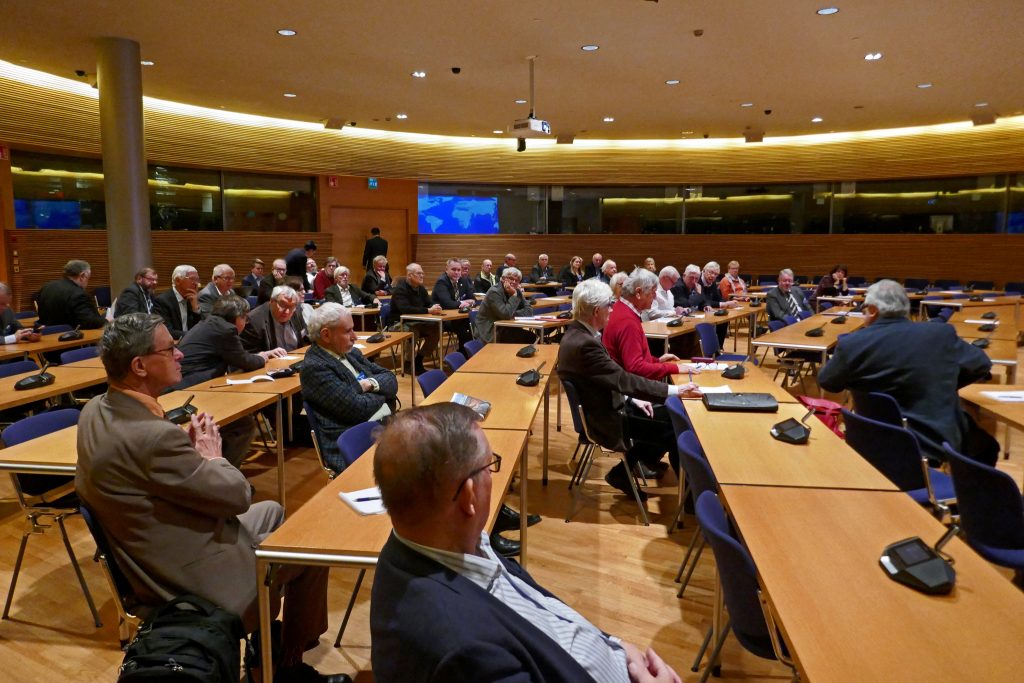
The one-day conference was co-hosted by social democratic organisations in the Finnish capital together with the party itself and its parliamentary group.

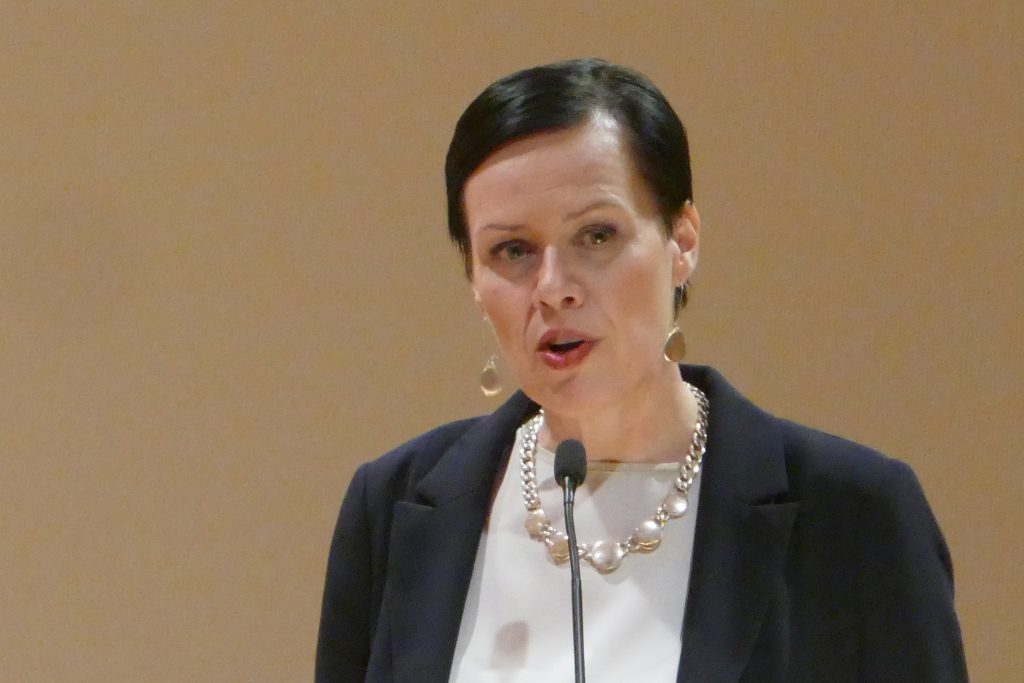
Maarit Feldt-Ranta

Welcoming the participants, Maarit Feldt-Ranta who is member of parliament and vice chair of the party underlined the very special nature of cooperation between Sweden and Finland and the role of our labour movements in both bringing it about and keeping it very active.

The seminar proceedings were all held in the Swedish language which shows a strong commitment to Nordism and cooperation with Sweden also from the Finnish side.

Back to school: Social media skills for veteran political activists

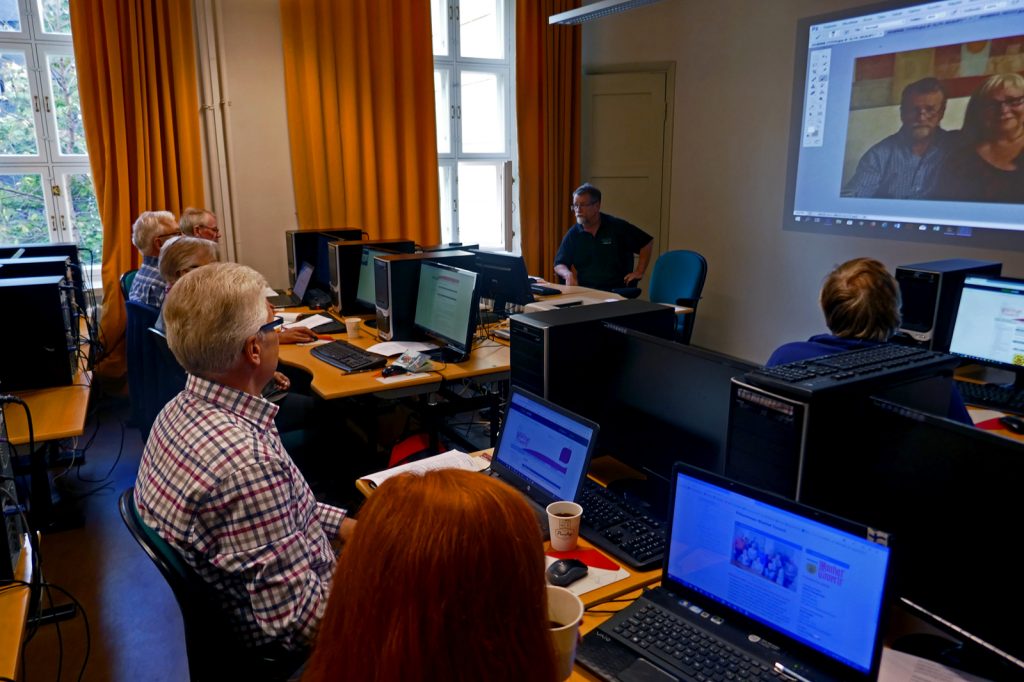
Back to school today – but this time running a training session. Our association for retired social democratic party and trade union activists – Suomen Wanhat Toverit (Finland’s Old Comrades) – arranged a session where local club representatives developed their information skills. My subject was social media, the benefits and downsides for democracy. Nice people and nice get-together with lots of experience and responsibilities in the room. Inspiring. Here Heikki Virkkunen with broad skills both in printed and electronic media and photography is discussing picture editing.

Om Europeiska Unionens sociala dimension – artikel i tidningen Eläkkeensaaja sommaren 2018

Finland är bäst I världen säger den ena internationella studien efter den andra. Nöjda och belåtna nickar vi, åtminstone litet grann överlägsna.  Men är det så på riktigt?

Har vi inte något att ta efter de andra EU-länderna. Är det bara frihandeln  och kapitalets rörlighet som är viktigt, och så lantbruksstödet naturligtvis? Och försvarspolitiken?

Nästan en av fem unga människor i Europeiska Unionen är utan jobb. I centrala Östeuropa växer missnöjet. Invandrarna har svårt att integreras i sina nya samhällen. Extrema attityder sprider sig, motsättningarna ökar och gemenskapen försvagas. Ute i världen anges tonen av auktoritära ledare som Trump, Putin och Erdogan.

Nu behövs EU mer än någonsin för att befrämja demokrati, fred och internationellt samarbete.

Europeerna måste sluta upp kring gemenskapen. Det här går bara om EU finns till för människorna i Europa, inte bara för företagen och kapitalägarna.

Redan när den europeiska ekonomiska gemenskapen EEC kom till för 60 år insåg man det här. Tullar och andra handelshinder skulle bort, men också medborgarna måste få sin del av fördelarna. Lantbruksstödet kom snabbt till, och sociala mål skrevs in i EEC:s grundavtal, Rom-fördraget.

Sedan hände inte så mycket annat.

Det var den franska socialdemokraten Jacques Delors som drev igenom en social dimension när han blev den Europeiska kommissionens ordförande år 1985. Då höll Margaret Thatcher i Storbritannien och Ronald Reagan i USA på med att köra ner välfärdssamhället och attackera de fackliga organisationerna. Ändå lyckades Delors föra in välfärdsfrågor på den europeiska agendan och få till stånd en genuin socialdialog mellan arbetsgivarna och facket.   

Under 1990-talet nådde man sedan viktiga resultat, både centralt och inom enskilda branscher. Arbetslivets parter avtalade om deltids- och visstidsarbete, föräldraledighet och distansarbete. Resultaten verkställdes sedan genom europeiska direktiv.

Men sen var det slut igen. Arbetsgivarna var ovilliga att förhandla på riktigt eftersom den politiska och ekonomiska utvecklingen spelade dem i händerna i alla fall. José Manuel Barrosos konservativa EU-kommission gjorde inte heller mycket för att trycka på.

När Jean-Claude Juncker blev kommissionens ordförande år 2014 drev han igenom en ny start för den europeiska socialdialogen. Den moderat konservativa Juncker insåg att de sociala frågorna måste ges en mycket större roll om EU skall kunna hålla ihop och klara av sina enorma utmaningar. Han fick en viktig allierad i Sveriges statsminister Stefan Löfven.

Vid toppmötet i Göteborg i november 2017 skrev man under en ”social pelare” med 20 punkter för mer rättvisa arbets- och sociala villkor och högre levnadsstandard. Samtidigt gav man facket en klar och framträdande roll i beredningen av dessa EU-frågor.

Finland då? Vi har en regering som är fullt sysselsatt med att riva ner den offentliga välfärden och dra mattan under facket, med aktivt stöd från näringslivets organisationer. Den europeiska sociala dimensionen existerar inte i deras tankevärld. 

Det är viktigt för arbetarrörelsen att slå vakt om ett nära samarbete mellan Finland och Sverige för att försvara den nordiska välfärdsmodellen. De framsteg som har gjorts inom EU och den svenska socialdemokratins aktiva roll borde uppmuntra också oss här i Finland.

Time for Europe to resolve the Greek debt issue


Time to resolve the Greek debt issue!

The rather disrespectful language and misguided statements that soured early stages of discussions and negotiations have of course not been helpful for building confidence. Now the tone seems to be changing and attention shift to seeking concrete solutions. This is how it should be.

We have seen that Germany’s social democrats believe that the latest proposal from Athens gives a good basis for this. They also distance themselves from the most hardline conservative opinions. Vice Chancellor and SPD President Sigmar Gabriel has said this clearly.

Europe’s other social democratic movements, including in my own country Finland, should join in working for an end to the yes-no debate, together with moderate conservatives and others. I am sure that this will happen.

It is not always easy for people in the Eurozone countries to accept added liabilities when they themselves are squeezed by recession and unemployment. In Finland, also the decline of the Russian Rouble and the mutual sanctions hit hard on economy and employment and add to the strains.

The new Greek government’s declared commitment to respect its obligations and to build up a sound economic administration and taxation was both necessary and welcome with a view of seeking political acceptance among these voters for a final agreement.

Others must now also understand that changes are needed in Greece itself to alleviate the situation of those who are the weakest and most badly hit while supporting the growth that is necessary for the longer term building up of the economy.

The economic dimension is of course highly important for the Eurozone tax payers who are backing up the recovery programme, but let us not forget that the European Union is about much more.

Already a look at the map of Europe should convince anyone about the importance of a stable and democratic Greece in the south-east where the political and social situation is far from settled.

Together with the Nordic ties it defines also Finland’s place in the world. For many of us this was the key reason when we voted for EU membership. Today we need to strengthen the community, not weaken it.